2026-07-22
Seonjeongneung Station Dermatology: The Timing of Female Hair Loss Treatment is Crucial <Must Read>
Early intervention is key for female hair loss. This article explains why focusing on hair follicles and understanding the multiple causes of hair loss are essential for effective treatment.
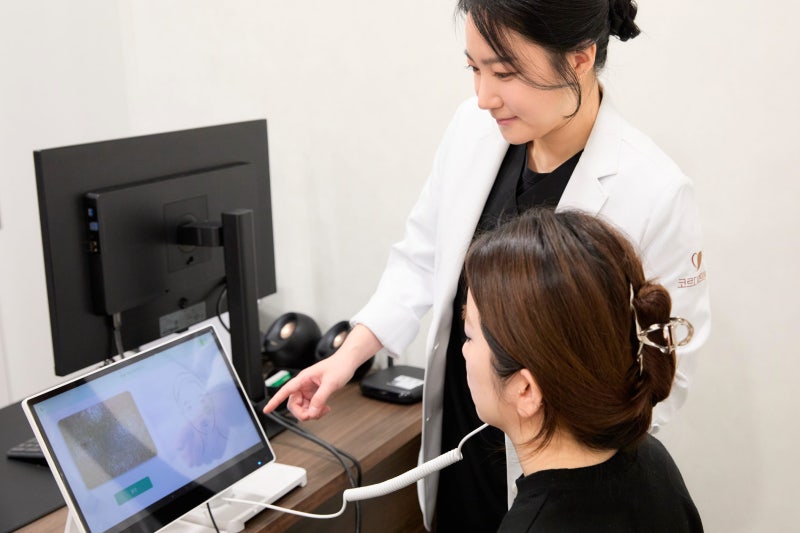
Seonjeongneung Station Dermatology: The Timing of Female Hair Loss Treatment is Crucial <Must Read>
‘My part looks wider than before.’
‘My hair volume feels reduced, even though the amount of hair is the same.’
Hello.
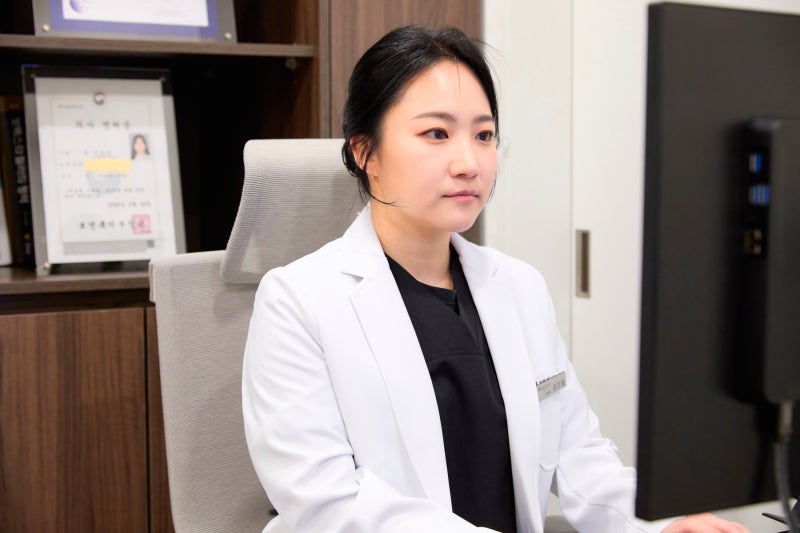
I am Kim Da-jeong, the head director of Cordia Clinic.
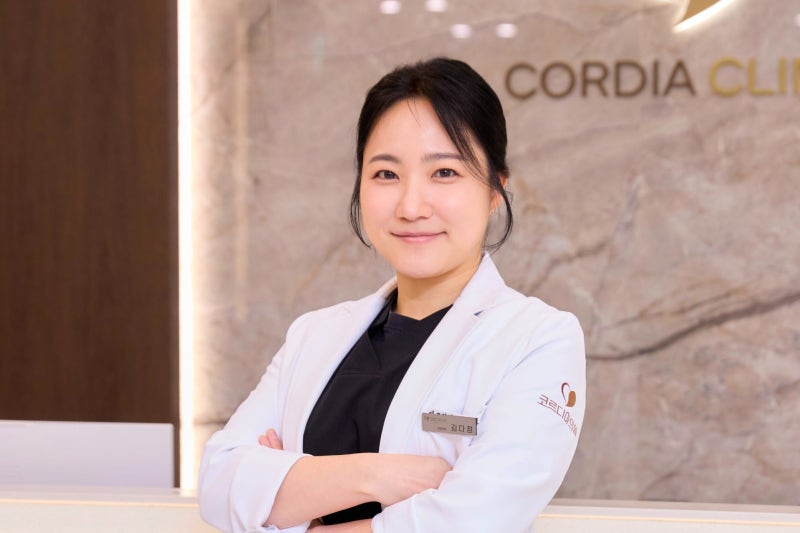
[Premium Hair Loss Treatment] Cordia Clinic Director Kim Da-jeong | ||
<1:1 Customized Diagnosis> Based on tens of thousands of clinical data, Precise focus and surgical skills perfected through surgical training | ||
Accurate analysis based on 3D AFS precision diagnosis <Precision Diagnostic System> | ||
Sustainable hair loss treatment completed with a low-pain system <Pain Control Know-how> |
When I listen to people who visit our dermatology clinic for female hair loss treatment, they often use the expressions mentioned above.
However, the important thing is that these changes didn't happen suddenly; they had been progressing slowly for quite some time and only became noticeable at a certain point.
So today, I'd like to explain in more detail when to start treatment.
<Treatment Philosophy>
‘This’ must be seen before the hair itself
What's important in female hair loss treatment at Seonjeongneung Station Dermatology is to look at the hair follicles first.
Most people only worry about the amount of hair falling out or the density, but in reality, the condition that produces the hair is much more important.
Because a widening part doesn't mean all hair follicles have disappeared.
Rather, in many cases, the hair follicles remain but have lost their strength.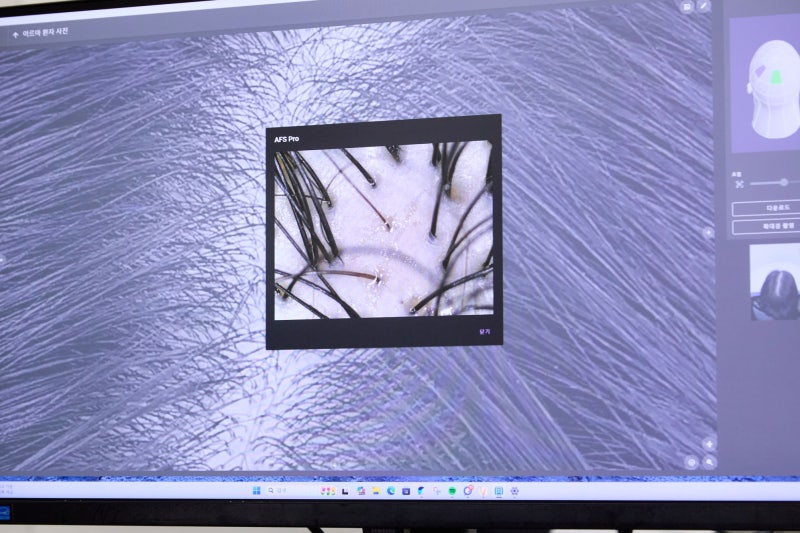
This causes the hair to become thin and lose volume, making it look sparse.
In other words, this timing is crucial because it means the condition is still salvageable. We prioritize how much can be recovered rather than how much has been lost.
The cause is not just one
When looking at female hair loss at Seonjeongneung Station Dermatology, it's rarely due to a single cause.
It's a structure where various factors accumulate, such as hormonal changes, pre/post-menopausal changes, stress, lack of sleep, repeated dyeing and perms, and nutritional imbalance, leading to gradual exhaustion.
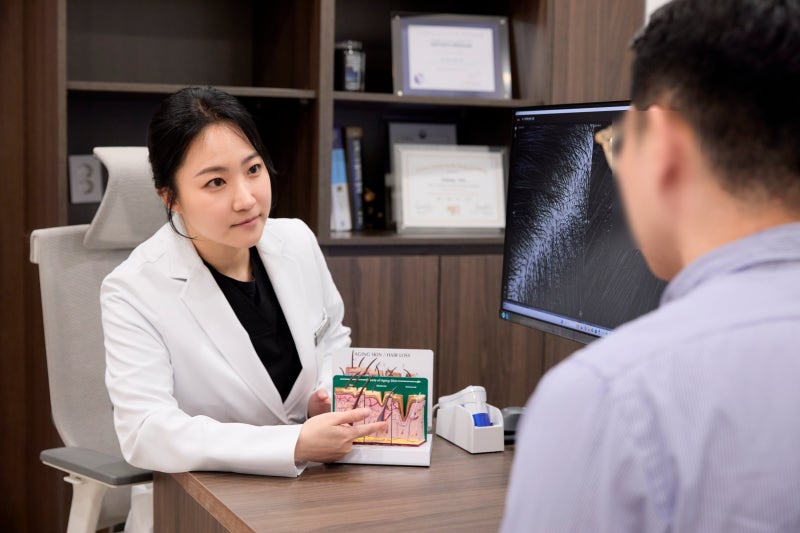
Will doing just one thing make it better?
Honestly, it's difficult to give a definitive answer to such a question.
This is because, as the causes are not singular, a single solution is often insufficient.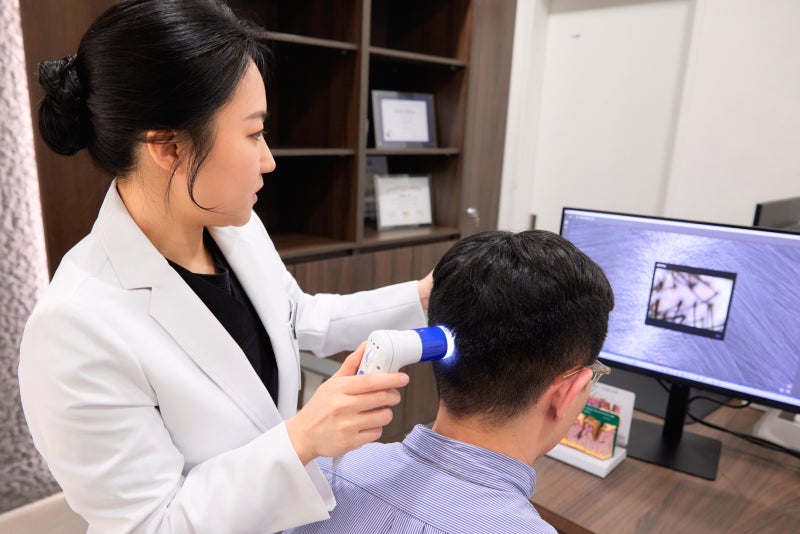
Therefore, we don't approach it based on guesswork from the start. Instead, we first determine the current stage based on data such as hair follicle density, thickness, and progression using a 3D examination.
Treatment proceeds as follows
‘Do I just need to get injections?’
At Seonjeongneung Station Dermatology, we primarily focus on Cordia hair follicle injections.
The focus is on creating an environment where weakened hair follicles can regain their strength.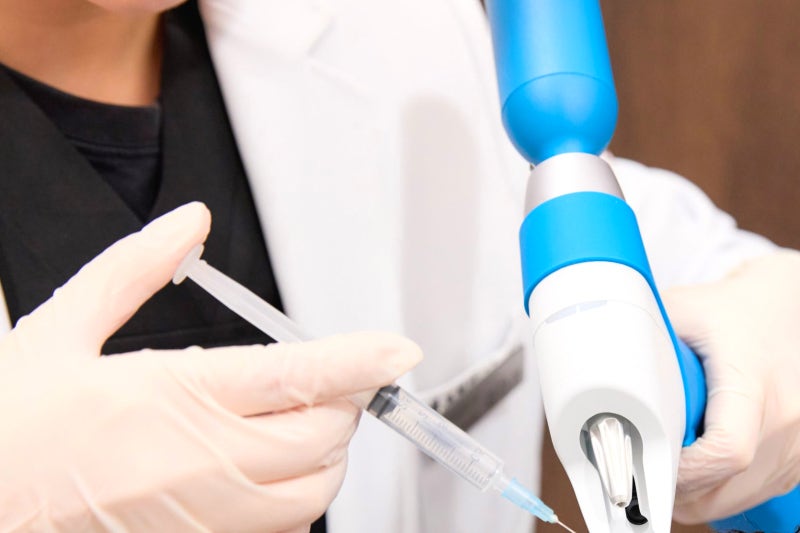
To explain it simply, it's closer to a process of sending growth signals back to dormant hair follicles and stabilizing the sensitive scalp environment and micro-inflammation.
So, it's good to understand it as a process of gradually stabilizing the scalp condition and restoring hair strength, rather than an immediate drastic change.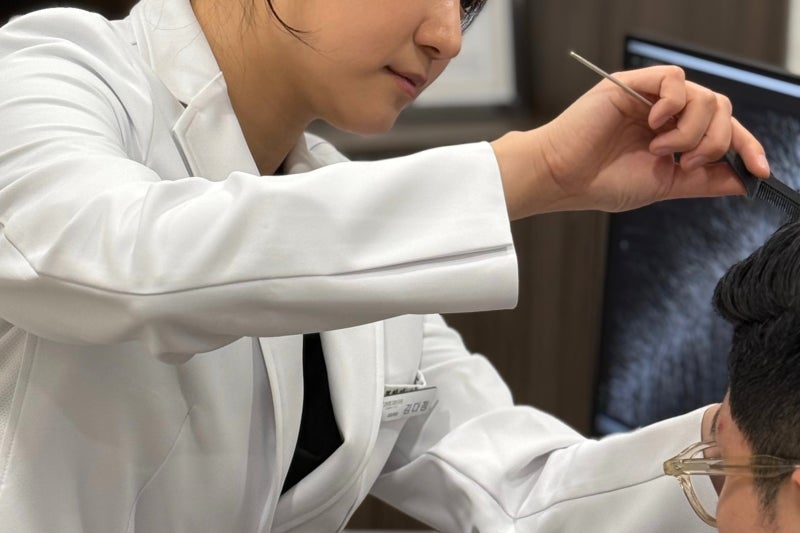
What's also important here is ‘how to inject’ as much as ‘what to inject’.
Even with the same ingredients, there can be significant differences in actual response depending on the injection depth, interval, and direction.
Therefore, it's much more important to apply the correct treatment for your current scalp condition, rather than just getting injections.
Are there other treatments besides injections?
Of course, while we primarily use hair follicle injections, we also combine various methods as needed, tailored to the scalp condition.
One of the representative methods is MTS.
This method induces scalp regeneration through micro-stimulation and activates recovery signals around the hair follicles.
Especially since it can help with the absorption of growth factors and active ingredients, a synergistic effect is often expected when performed together with hair follicle injections.
Additionally, for those with high scalp tension, heat on the crown, or severe blood flow reduction, low-level laser therapy (LLLT) may be combined.

This method uses light energy of specific wavelengths to activate scalp cell activity and help improve blood flow.
In other words, for hair loss, the process of designing which treatments to combine and in what order, depending on the current condition, is extremely important.
Therefore, before treatment, we conduct thorough consultations and check the scalp condition first, then create a personalized plan based on those results.
Ultimately, timing is crucial
When hair is weakened and still has function, rather than completely gone, the chances of recovery are much higher.
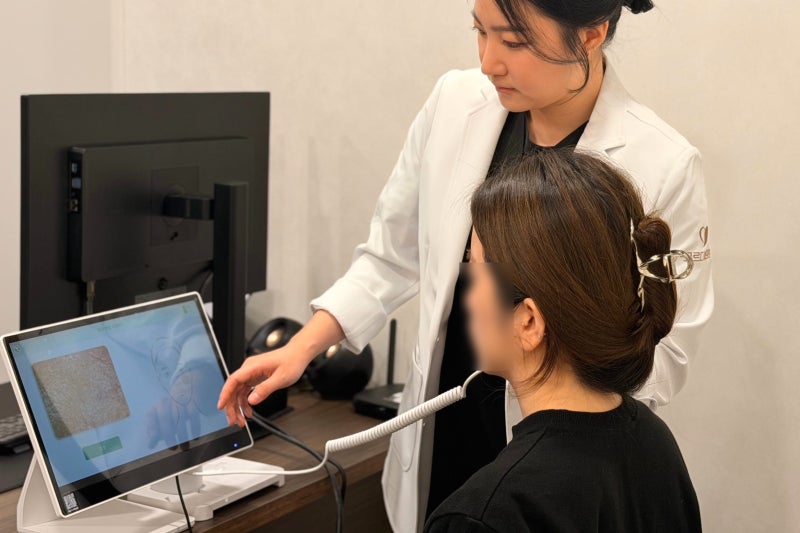
Female hair loss often progresses slowly, making it easy to neglect, but by the time it's noticed, it has often already begun.
So, if you feel that your part has widened or your hair volume has decreased, that could be the starting signal.
In short, hair loss is not a sudden problem but a change that slowly accumulates and then becomes visible.
That's why ‘when to start’ is even more important.
It can be a much faster path to have it properly checked at Seonjeongneung Station Dermatology rather than worrying alone,

Please feel free to visit, and we will carefully examine your current condition together.
Thank you for reading this long article.
This was Director Kim Da-jeong.
<Inquiries - Naver TalkTalk>
<Cordia Clinic Announcements> | ||
May 7, 2026 Cordia Clinic OPEN To provide sufficient consultation to each individual, we operate on a 100% reservation basis. |
<Clinic Hours> | ||
Mon · Tue · Thu · Fri : 11:00 ~ 20:00 (Lunch break : 14:00 ~ 15:00) Saturday : 10:00 ~ 16:00 (No lunch break) | ||
6th Floor, KR Tower, 429 Seolleung-ro, Gangnam-gu (Seolleung Station Exit 3) | ||
02-568-8575 |
Frequently Asked Questions
What are the early symptoms of female hair loss?
Early symptoms of female hair loss often include a widening part line or a feeling that hair volume has decreased even though the amount of hair remains the same. These changes can be a sign that hair loss is slowly progressing.
How does Cordia Clinic diagnose female hair loss?
Cordia Clinic accurately analyzes data such as follicle density, thickness, and progression using a 3D AFS precision diagnostic system. We prioritize understanding the state of hair follicles and their potential for recovery over simply the amount of hair loss to create a customized treatment plan.
What are the causes of female hair loss?
Female hair loss is often caused by a combination of factors rather than a single cause, including hormonal changes, pre/post-menopausal changes, stress, lack of sleep, repeated dyeing/perming, and nutritional imbalances. Therefore, identifying the cause is important.
What are Cordia Clinic's main hair loss treatments?
Cordia Clinic's primary treatment is 'Cordia Follicle Injection,' which delivers growth signals to weakened hair follicles and stabilizes the scalp environment. We emphasize 'how' the injection is administered, considering depth, spacing, and direction, and provide personalized treatment.
Are there other hair loss treatments besides follicle injections?
Yes, while follicle injections are fundamental, we can enhance synergy by combining them with MTS (micro-stimulation to induce scalp regeneration and promote ingredient absorption) or low-level laser therapy (LLLT, to improve scalp blood flow and activate cell activity) depending on the scalp condition.
What is the most important aspect of treating female hair loss?
The most important aspect of treating female hair loss is 'timing.' It is much more likely to recover when treatment begins while the hair is weakened but not completely gone, meaning the hair follicles still have function, so it is best to get diagnosed at the first sign of symptoms.