2026-07-22
Daechi Station Hair Loss Clinic <Consultation> Does Adolescent Alopecia Areata Require Lifelong Management?
Adolescent alopecia areata requires early diagnosis and consistent management. This article addresses common questions from parents about treatment, recurrence, and long-term care for their children's hair loss.
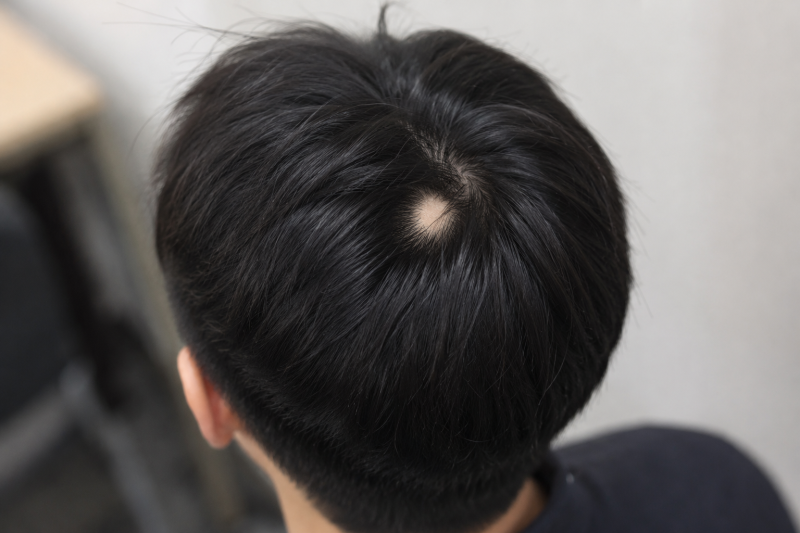
Daechi Station Hair Loss Clinic <Consultation> Does Adolescent Alopecia Areata Require Lifelong Management?
Hello.
I am Kim Da-jung, the chief physician at Cordia Clinic, a hair loss clinic near Daechi Station.
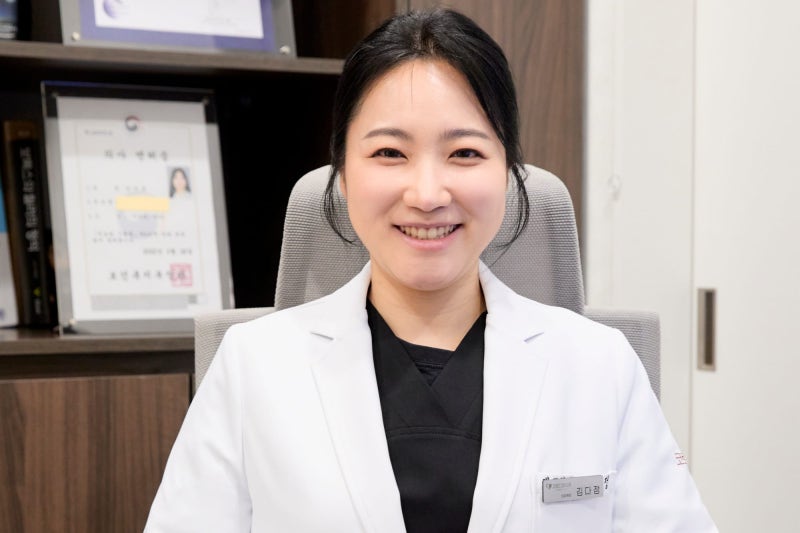
[Premium Hair Loss Treatment] Chief Physician Kim Da-jung, Cordia Clinic | ||
<1:1 Customized Diagnosis> Based on tens of thousands of clinical data, Precise focus and surgical skills perfected through surgical training | ||
Accurate analysis based on 3D AFS precision diagnosis <Precision Diagnosis System> | ||
Sustainable hair loss treatment achieved with a low-pain system <Pain Control Know-how> |
When parents first discover a round bald patch on their child's scalp, the questions that come to mind are often similar:
‘Will it get better if I just leave it?’‘Is it due to stress?’‘Will hair grow back if treated?’
Alopecia areata is an autoimmune disease caused by immune cells attacking hair follicles, and it is not uncommon in adolescents.
While small and mild cases may recover naturally, early diagnosis and consistent management are crucial, especially when it occurs during childhood or adolescence.
Today, for parents who are facing these concerns, I have compiled frequently asked questions.
I hope reading this to the end will help you determine the direction of treatment.
<Treatment Philosophy>
Q1. My adolescent child is experiencing hair loss. Should we go to the hospital immediately, or can we wait and see?
We recommend visiting as soon as possible.
While small and few patches might recover naturally, cases occurring in childhood or adolescence are known to have a worse prognosis than in adults.
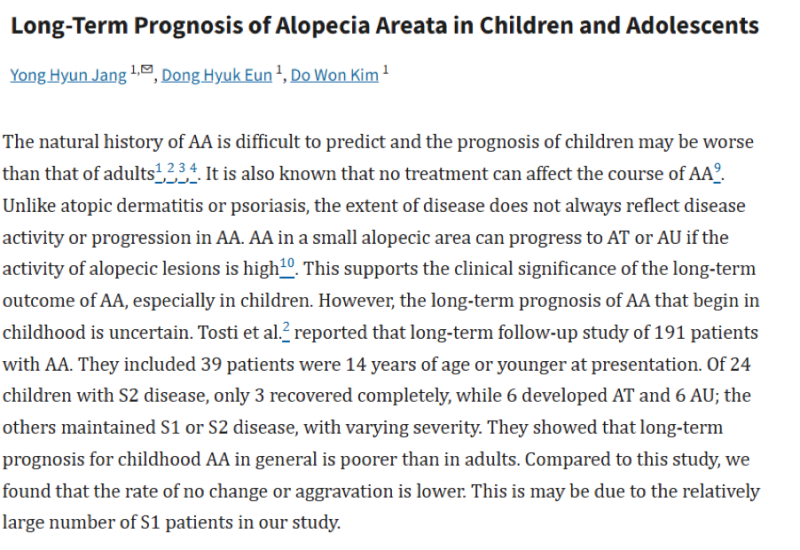
Indeed, young age (under 15) and extensive involvement (over 50% of the scalp) have been reported as prognostic factors that reduce treatment response.
Furthermore, in children and adolescents, multiple patches often appear at once or the affected area is large, making early diagnosis and continuous observation important.
If you wait and it progresses, improvement may become more difficult, so we recommend seeking medical attention as soon as it is discovered.
Q2. Could it be a sign of another autoimmune disease?
It is possible.
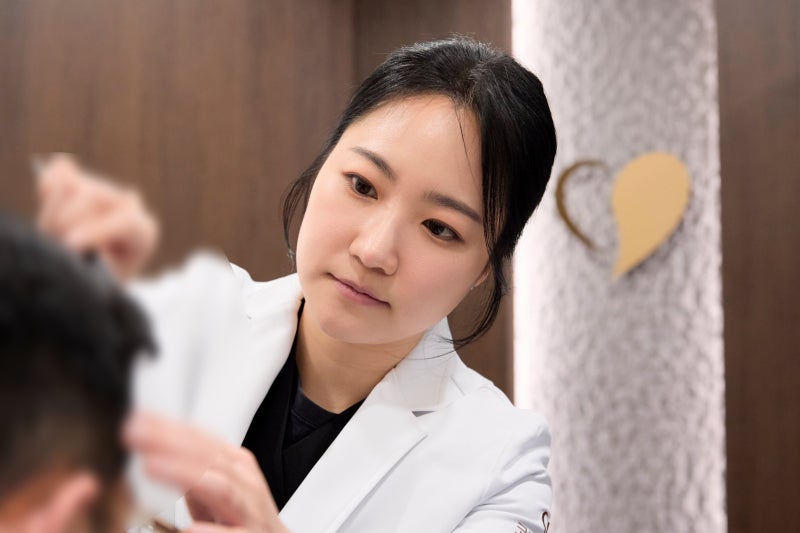
Other autoimmune diseases such as thyroiditis, diabetes, and vitiligo may accompany it, and atopic dermatitis can also appear together.
For adolescents in their growth phase, immune-related abnormalities can affect academic performance and physical development, so it is advisable to undergo a comprehensive examination during the initial visit to check for other issues.
Q3. How long does treatment usually take?
It varies depending on the extent and severity, but with injection treatment, hair growth can be expected from the 5th to 6th session.
At the Daechi Station Hair Loss Clinic, we adjust the intervals considering exam periods and academic schedules to ensure that school life is not unduly affected.
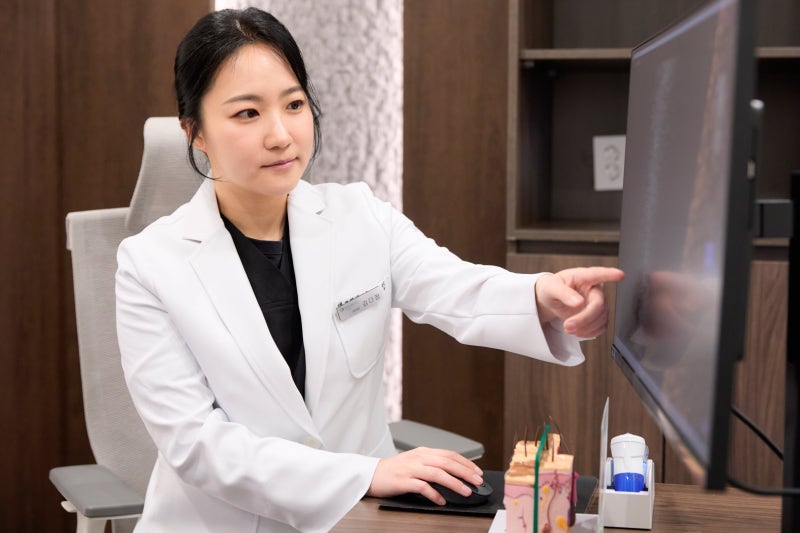
The injections performed at the Daechi Station Hair Loss Clinic are safe procedures, with common side effects being pain at the injection site or temporary headaches.
Pain may last for 2-3 days but usually improves naturally over time.
Q4. I heard injection treatment is painful. Can my child endure it?
It is true that injections involve pain as they use a fine needle to superficially prick the scalp.
Above all, since it is a disease that requires repeated visits and consistent management, it is crucial to create an environment where adolescent patients can continue treatment until the end.
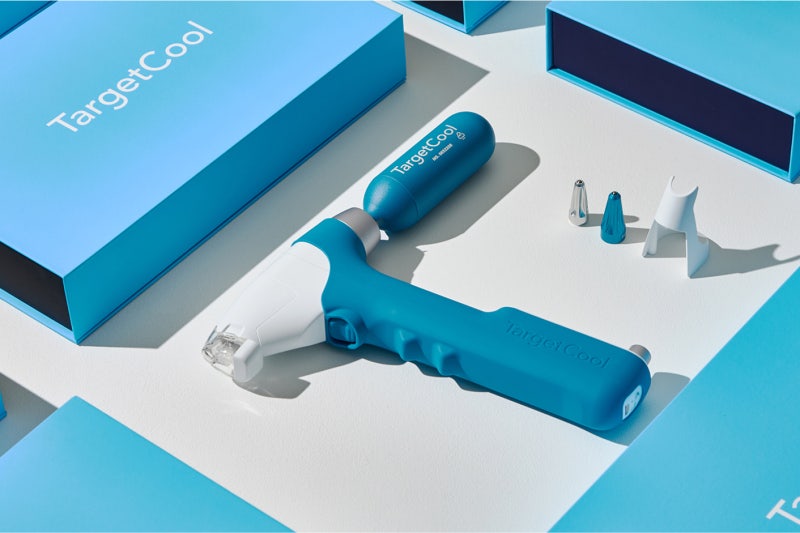
At the Daechi Station Hair Loss Clinic, to reduce the burden of pain, we utilize TargetCool, a rapid precision cooling medical device approved by the Ministry of Food and Drug Safety and the US FDA, to maintain uniform depth and density during drug injection and enhance the consistency of the procedure.
Q5. I heard the recurrence rate is high. If it starts in adolescence, does it require lifelong management?
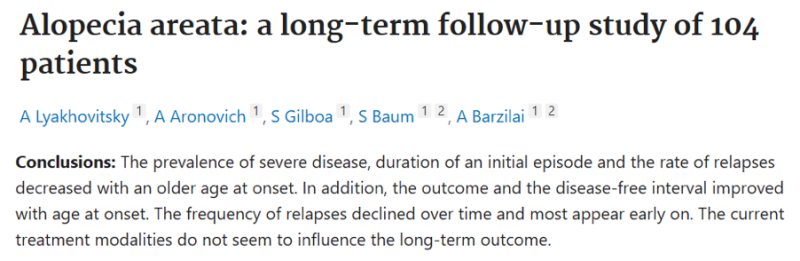
It is true that recurrence is common.
It is reported that approximately 40% of patients may experience another episode of hair loss within one year.
However, this does not mean ‘taking medication for life,’ but rather refers to long-term management in the form of early detection and restarting treatment upon recurrence.
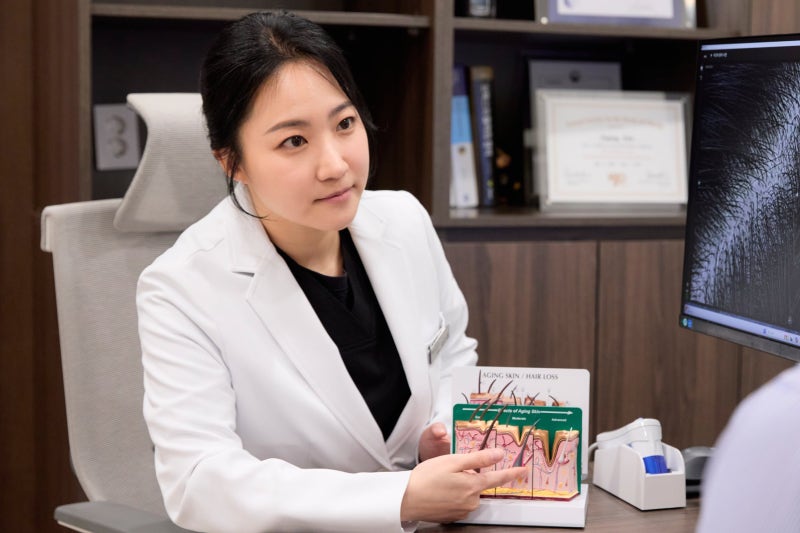
Adolescence is a period of significant stress and changes in sleep patterns, so regular scalp check-ups and lifestyle management are important even after recovery. If signs of recurrence appear, most cases respond well to treatment again if you visit promptly.
Hair loss that occurs during adolescence is a condition that affects a child's self-esteem and daily life.
Therefore, an approach of ‘let's find out exactly’ is needed rather than ‘let's wait and see.’
Even for small and mild bald patches, confirming the severity and potential for progression through a medical professional's diagnosis is the first step, and it is not too late to decide on the method afterward.
If you have any further questions, please leave a comment.
I will answer directly after the consultation.
Thank you.
This has been Chief Physician Kim Da-jung of Cordia Clinic.
< Articles that might be helpful to read together >
<Inquiries - Naver TalkTalk>
<Cordia Clinic Announcements> | ||
Cordia Clinic operates on a 100% reservation system to provide sufficient consultation and customized treatment for each individual. To ensure the quality of care and a private treatment environment, we only accept a limited number of reservations, so please understand in advance that it may be difficult to book an appointment for your desired date. We will reciprocate with accurate diagnosis and sincere treatment. Thank you. |
<Clinic Hours> | ||
Mon · Tue · Thu · Fri : 11:00 ~ 20:00 (Lunch break : 14:00 ~ 15:00) Saturday : 10:00 ~ 16:00 (No lunch break) | ||
6th Floor, KR Tower, 429 Seolleung-ro, Gangnam-gu (Seolleung Station Exit 3) | ||
02-568-8575 |