2026-07-22
The Most Common Question at Dogok Station Dermatology: Do I Really Need Follicle Injections?
Discover if follicle injections are right for you. This article addresses common questions about this hair loss treatment, its benefits, and what to expect at a dermatology clinic.

The Most Common Question at Dogok Station Dermatology: Do I Really Need Follicle Injections?
Hello.
I am Kim Da-jung, the head director of Cordia Clinic.

[Premium Hair Loss Treatment] Director Kim Da-jung, Cordia Clinic | ||
<1:1 Customized Diagnosis> Based on tens of thousands of clinical data, Precise focus and surgical skills perfected through surgical training | ||
Accurate analysis based on 3D AFS precision diagnosis <Precision Diagnosis System> | ||
Sustainable hair loss treatment completed with a low-pain system <Pain Control Know-how> |
It seems there's no other field as neglected and prone to folk remedies as hair loss treatment.
Black beans, brewer's yeast, scalp massages, and serums of unknown origin.
The internet is flooded with information like ‘just do this and you'll be cured’, but many people take years to finally step through the hospital doors.
The problem is that hair follicles quietly disappear during that time.
Once they atrophy, it's difficult to reverse, so ‘when you visit’ is the most crucial factor.
That's why today, I'd like to systematically explain follicle injections, a frequent inquiry from those visiting dermatology clinics near Dogok Station.
<Treatment Philosophy>
Do I really need to get treatment at a hospital?
Follicle injection is a procedure that directly injects active ingredients into the dermal layer of the scalp.
It's a method used in conjunction with other treatments when oral medications or topical solutions like minoxidil show slow responses, or when aggressive intervention is needed from the start.
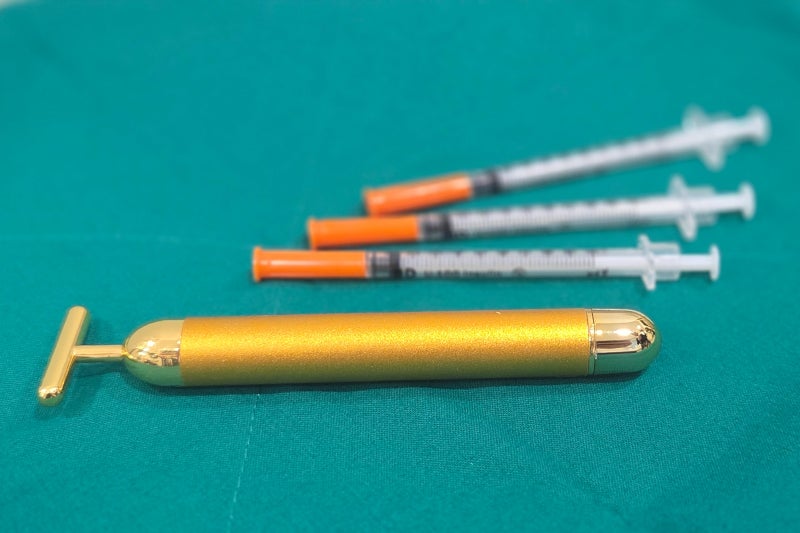
The key is ‘what to inject, where, and how’.
Growth factors, amino acids, and vitamin complexes are included, but they only have meaning if they reach the exact depth where the hair follicles are located, uniformly.
Since the scalp's thickness and blood flow vary by area, the practitioner's skill significantly impacts the results.
During initial consultations at dermatology clinics near Dogok Station, we often meet people who are skeptical about injection therapy itself.
Some even feel fear at the thought of needles entering their scalp.
These are perfectly understandable emotions.
Unlike facial procedures, the scalp is an area difficult to see with the naked eye, and hair loss itself is a sensitive topic.
Therefore, medical professionals also put a lot of effort into making it a ‘trusted procedure’.
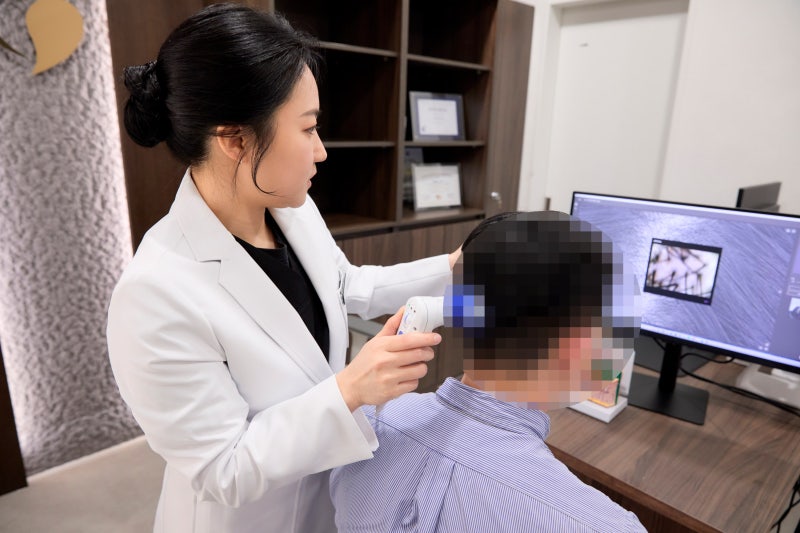
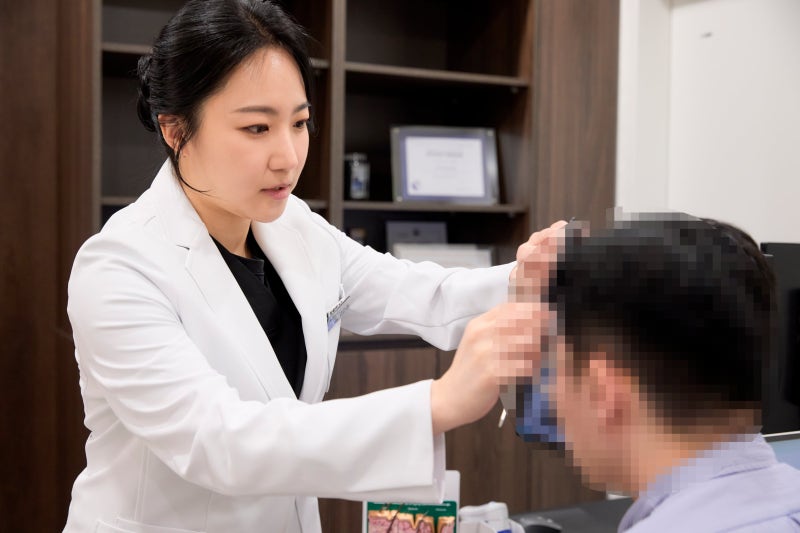
Before the procedure, we photograph and record follicle density and scalp condition, and if necessary, perform blood tests to identify the cause.
We adjust the needle depth considering the varying thickness of different scalp areas and apply protocols to reduce pain.
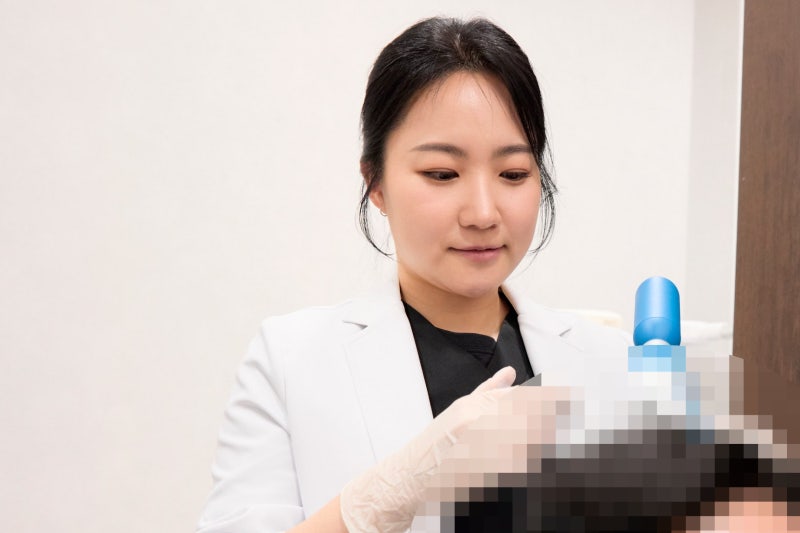
We compare photos every 4-6 weeks to check the response, and if the response is slower than expected, we adjust the ingredient composition or concomitant medications.
All treatments performed are validated methods, based on accurate diagnoses, so we would appreciate it if you trust the medical staff and follow this process well.
Who can benefit from this?
Injection therapy is not a panacea.
It is generally considered as an adjunctive treatment for early to moderate male pattern baldness, postpartum and menopausal female pattern baldness, and stress-induced telogen effluvium.
In cases of early-stage hair loss where the M-line is gradually receding, early crown hair loss where the area around the whorl becomes sparse, and postpartum hair loss where hair rapidly falls out between 6 months to 1 year after childbirth, combining it with medication can help in the recovery process.
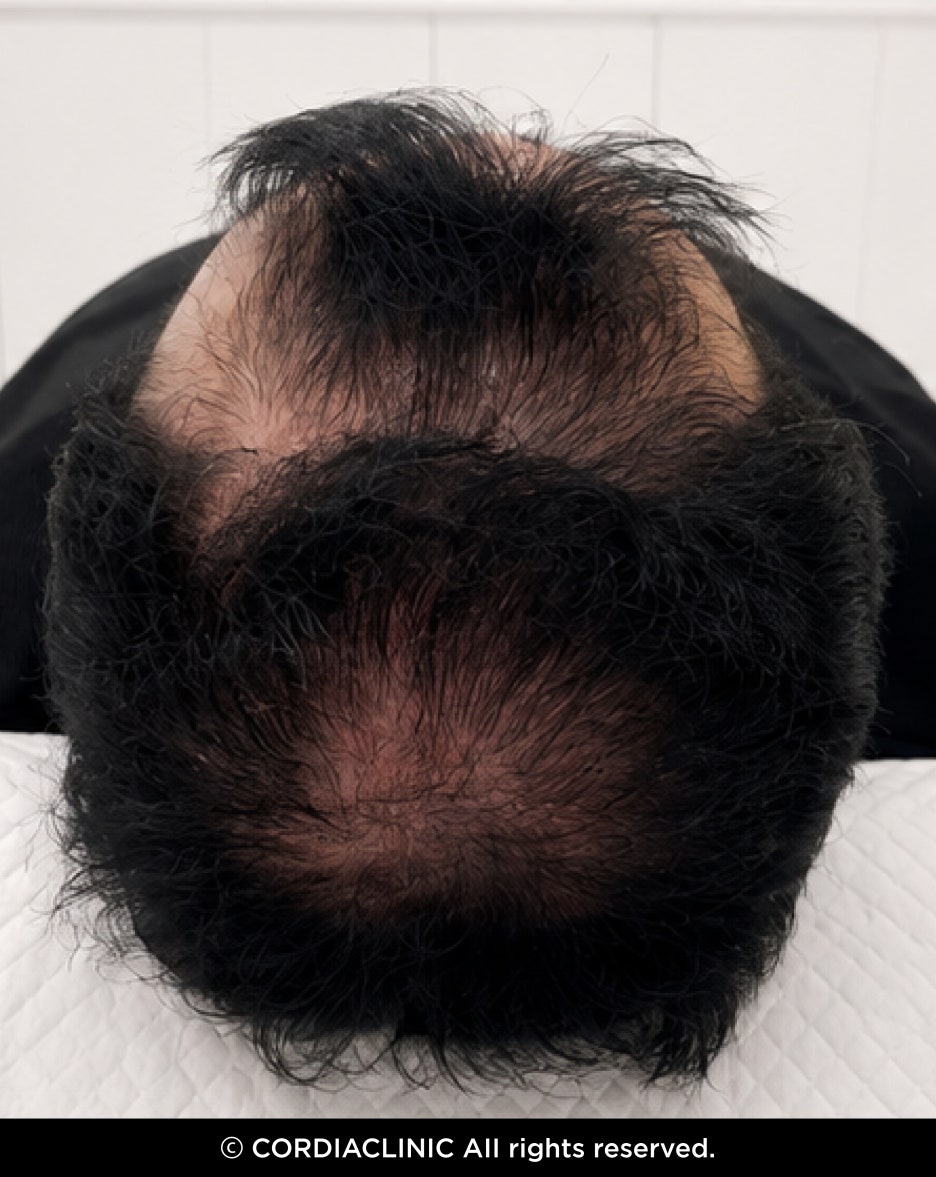
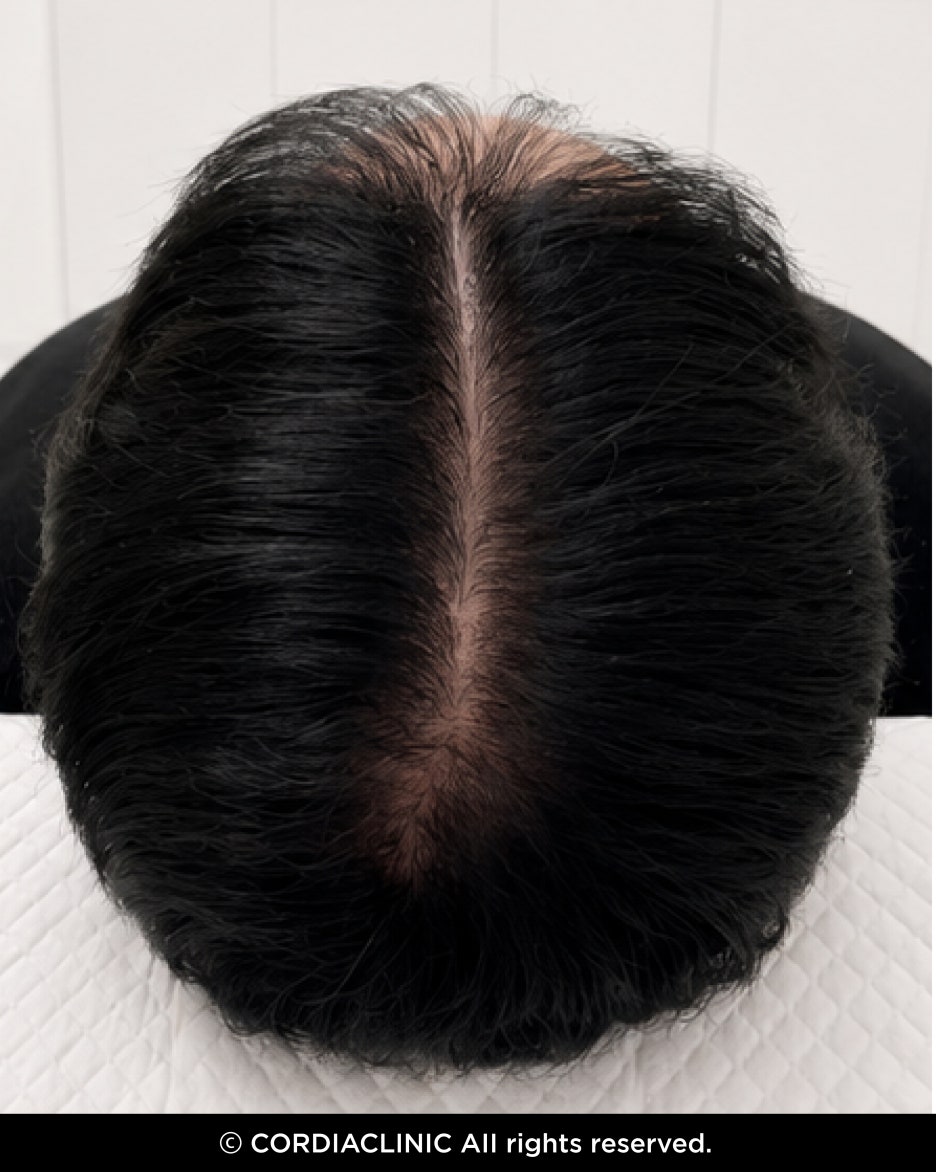
*These photos are of the same person, taken under the same conditions.
However, completely lost hair follicles cannot be revived.
Therefore, it is important to choose a medical institution that honestly assesses ‘whether your current condition is within the scope of what can be approached with injections’ during the consultation phase.
For other causes like alopecia areata or scarring alopecia, a separate treatment approach is necessary.
Dogok Station Dermatology, please keep this in mind.
Injections performed at Dogok Station dermatology usually take about 20-30 minutes after applying anesthetic cream.
It's often not a one-time procedure but a program repeated 10 or more times at intervals of 2-4 weeks.
It's not a short procedure, but ‘management that requires consistency’.
Above all, satisfaction is higher when injections are combined with a comprehensive plan including medication, procedures, and lifestyle management, rather than just injections alone.
If your hairline is becoming blurry, we recommend getting an accurate diagnosis at least once, even if you're not entirely sure.
Even if it's not our dermatology clinic near Dogok Station, please have your follicle condition checked at a nearby hospital and discuss the right treatment combination for you.
While you delay due to ‘embarrassment’ or ‘fear of medication’, the time for your hair follicles continues to pass.
The anxiety you felt in front of the mirror today might actually be the most accurate signal.
Starting now is always the fastest way, rather than starting late.
Thank you for reading this long article.
This was Kim Da-jung, the head director of Cordia Clinic.
< Helpful articles to read together >
<Inquiries - Naver TalkTalk>
<Cordia Clinic Notice> | ||
Cordia Clinic operates on a 100% reservation system to provide sufficient consultation and customized treatment for each individual. To ensure the quality of care and a private treatment environment, we only accept a limited number of reservations, so please understand in advance that it may be difficult to book an appointment for your desired schedule. We will repay you with accurate diagnosis and sincere treatment. Thank you. |
<Operating Hours> | ||
Mon · Tue · Thu · Fri : 11:00 ~ 20:00 (Lunch break : 14:00 ~ 15:00) Saturday : 10:00 ~ 16:00 (No lunch break) | ||
6th Floor, KR Tower, 429 Seolleung-ro, Gangnam-gu (Seolleung Station Exit 3) | ||
02-568-8575 |
Frequently Asked Questions
What is follicle injection treatment?
Follicle injection is a procedure that directly injects active ingredients such as growth factors, amino acids, and vitamin complexes into the dermal layer of the scalp. It helps in hair loss recovery when oral medications or topical solutions show slow responses. The practitioner's skill is crucial, and it is effective when the ingredients reach the precise depth uniformly.
In what cases are follicle injections effective?
Follicle injections are generally considered as an adjunctive treatment for early to moderate male pattern baldness, postpartum and menopausal female pattern baldness, and stress-induced telogen effluvium. They can aid recovery when combined with medication for receding M-lines, crown hair loss, and rapid hair loss after childbirth.
How often should I receive follicle injection treatment?
Follicle injection is not a one-time procedure but management that requires consistency. It usually takes about 20-30 minutes after applying anesthetic cream and is often performed as a program repeated 10 or more times at intervals of 2-4 weeks. Satisfaction is higher when combined with medication, other procedures, and lifestyle management.
Can completely lost hair follicles be revived with follicle injections?
No, completely lost hair follicles cannot be revived with follicle injections. Therefore, it is important to choose a medical institution that honestly assesses during the consultation phase whether your current condition is within the scope of what can be approached with injections. Alopecia areata or scarring alopecia require separate treatments.
What kind of diagnosis will I receive before follicle injection treatment?
Before the procedure, follicle density and scalp condition are photographed and recorded. If necessary, blood tests may be performed to identify the cause of hair loss. Based on this precise diagnosis, a personalized treatment plan will be established for the patient.