2026-11-12
Do You Need an Amino Acid IV Drip If You're Not Getting Enough Protein? What to Know About Nutritional Deficiency | Seolleung Station IV Clinic
Explains when an amino acid IV drip may help with low protein intake, what amino acids do in the body, and why diet usually comes first. For general information only.
Hello, this is Dr. Kim Da-jeong, Chief Director of Cordia Clinic.
Many people with busy schedules often skip meals, or significantly cut back on food while using weight-loss medications such as Wegovy or Mounjaro.
In particular, if your appetite drops and you can't eat enough protein-rich foods such as meat or eggs, you may worry about nutritional deficiency.
So, can an amino acid IV drip help in this situation?
To answer briefly, for some patients with insufficient protein intake, an amino acid IV drip can help with nutritional support.
However, eating less protein alone does not necessarily mean you need an IV drip.
Today, we'll look at the role of amino acid IV drips and the situations in which they may be considered.
1. What changes occur in the body when protein is lacking?
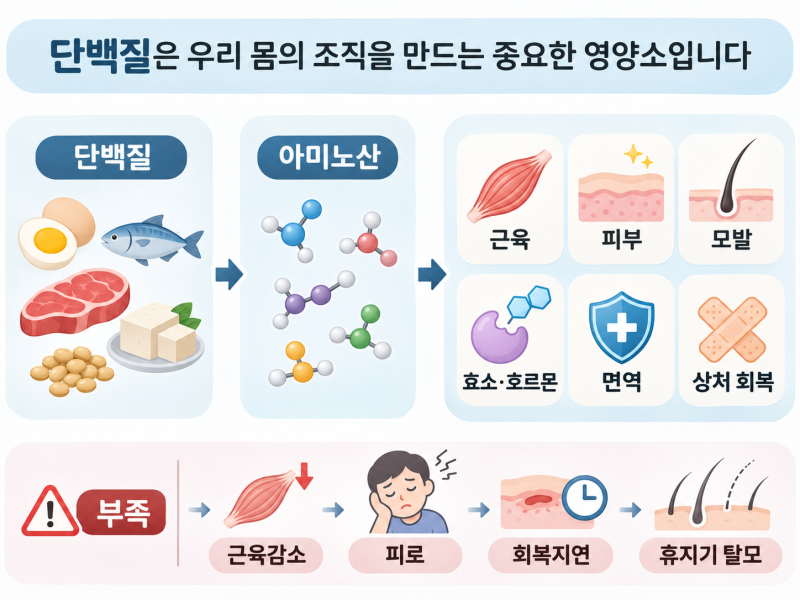
Protein is an essential nutrient that makes up body tissues such as muscles, skin, and hair.
Our bodies break down the protein we eat into amino acids, then use them to synthesize the proteins we need.
In particular, amino acids are involved not only in maintaining muscle, but also in synthesizing enzymes and some hormones, as well as in immune function and wound healing.
Therefore, if protein and calorie intake are insufficient for a long period, problems such as muscle loss, decreased physical strength, and delayed wound healing may occur.
Severe nutritional deficiency can also affect the hair growth cycle and sometimes cause telogen effluvium (temporary hair shedding).
2. What role does an amino acid IV drip play?
An amino acid IV drip is a pharmaceutical product that delivers the amino acids that make up protein directly into a vein.
Protein in food is absorbed only after being broken down in the digestive tract, but an amino acid IV drip bypasses this digestion and absorption process.
Armix Injection, a representative amino acid IV solution, contains various essential and non-essential amino acids, including leucine, isoleucine, valine, arginine, and glycine.
According to the approved indications from the Ministry of Food and Drug Safety (MFDS), it is used to supply amino acids in cases of hypoproteinemia, malnutrition, and before and after surgery.
The supplied amino acids can be used as building blocks for protein synthesis in the body.
However, if sufficient calories are not provided, some amino acids may be used as an energy source. For this reason, it is important to manage overall nutritional status rather than only supplementing amino acids.
3. In what cases can an amino acid IV drip be considered?
① When reduced food intake persists
When illness or severe loss of appetite prevents adequate eating, both protein and calorie intake can fall short.
In particular, if nausea or vomiting makes oral intake difficult, nutritional status should be evaluated and an appropriate method of nutritional delivery determined.
② When nutritional status declines around surgery
After surgery or tissue injury, protein requirements may increase during the recovery process.
For patients who have difficulty getting enough nutrition, nutritional support including amino acids may be necessary.
③ When malnutrition is confirmed
If you have recently lost weight unintentionally or have been eating too little for a prolonged period, the possibility of nutritional deficiency should be checked.
In such cases, not only simple protein supplementation but also adequate total calories, vitamins, and minerals is important.
4. Should you start with an IV drip if you're eating less protein?
Not necessarily.
The guidelines of the European Society for Clinical Nutrition and Metabolism (ESPEN) recommend considering oral nutrition first for patients whose digestive tract can be used.
Therefore, if you can eat normally, it is generally recommended to first consider a protein-rich diet or oral nutritional supplements.
On the other hand, for patients who cannot receive oral or enteral nutrition, or whose intake is insufficient, parenteral nutrition may be considered based on medical evaluation.
An amino acid IV drip is not a substitute for a balanced diet, but a means of supporting amino acid intake when it is needed.
5. What should be checked before treatment?
Amino acid IV drips are prescription medications, so appropriate patient selection is important.
In particular, problems with kidney or liver function can affect amino acid metabolism and the processing of waste products.
Caution is also needed for patients whose fluid balance is impaired, such as those with heart failure.
During an IV infusion, nausea, pain at the injection site, vein irritation, and allergic reactions may occur.
In my view, when determining whether nutritional support is needed, it is important to review recent food intake, weight changes, underlying conditions, and the likelihood of recovering oral intake together.
6. Frequently asked questions
Q. Will my muscle mass increase if I get an amino acid IV drip?
Amino acids are needed for muscle protein synthesis, but an IV drip alone does not guarantee an increase in muscle mass. Adequate calorie intake and physical activity are also important.
Q. If I'm short on protein while dieting, would an IV drip help?
If actual nutritional deficiency has developed due to reduced food intake, supplementation may be necessary. However, when you are able to eat, adjusting your diet to include enough protein should come first.
Q. How often should I get an amino acid IV drip?
There is no fixed schedule that applies to all patients. The need should be evaluated based on the degree of nutritional deficiency and whether food intake has recovered.
7. What matters most is how to restore missing nutrition
Protein is an essential nutrient for maintaining various body tissues, including muscles, skin, and hair.
An amino acid IV drip can be a way to deliver the amino acids you need intravenously in certain situations where nutritional intake is difficult.
However, rather than the IV drip itself, what matters more is accurately assessing your current nutritional status and getting your intake back to a level that supports recovery.
If you aren't getting enough protein, rather than simply getting an IV drip, it is best to determine the degree and cause of the nutritional deficiency and choose the supplementation method that suits you.
References
Ministry of Food and Drug Safety. Armix Injection, product licensing information.
ESPEN Practical Guideline. Nutritional Support for Polymorbid Medical Inpatients. Clinical Nutrition. 2024.
NICE. Nutrition support for adults: Oral nutrition support, enteral tube feeding and parenteral nutrition. CG32.
※ This article is written for general medical information only. Whether to administer an amino acid IV drip should be decided by the medical team, taking into account the patient's nutritional status and underlying conditions.
〈Cordia Clinic Reservation Information〉
Cordia Clinic operates on a 100% appointment-only basis to allow sufficient consultation and individualized care. Please make a reservation by phone, KakaoTalk, or Naver before your visit.
〈Reservations and Inquiries〉
Phone: 02-568-8575
Please contact us via KakaoTalk, Naver booking, or any other method that is convenient for you.
〈Office Hours〉
Mon, Tue, Thu, Fri: 11:00 AM – 8:00 PM
Lunch break: 2:00 PM – 3:00 PM
Saturday: 10:00 AM – 4:00 PM
We see patients on Saturdays without a lunch break.
〈Directions〉
429 Seolleung-ro, Gangnam-gu, Seoul, Republic of Korea
6th Floor, KR Tower, Cordia Clinic
Exit 3 of Seolleung Station, the building with Burger King
#ProteinDeficiency #LowProteinIntake #ProteinDeficiencySymptoms #AminoAcidIVDrip #AminoAcidIVBenefits #AminoAcidInjection #ArmixInjection #ProteinIVDrip #NutritionIVDrip #NutritionIVBenefits #NutritionInjection #NutritionalSupport #NutritionalDeficiency #Malnutrition #Hypoproteinemia #EssentialAminoAcids #NonessentialAminoAcids #MuscleMassLoss #MuscleHealth #ProteinSynthesis #LowAppetite #ReducedFoodIntake #DietNutritionManagement #DietProtein #PostSurgeryNutrition #ParenteralNutrition #OralNutrition #ProteinSupplementation #SeolleungIVDrip #YeoksamIVDrip