2026-10-21
What Is the Cinderella Shot? Antioxidant Effects of Alpha-Lipoic Acid and Research on Skin and Fatigue
Explains alpha-lipoic acid, the main ingredient in the Cinderella shot, its antioxidant role, a 2003 skin study, diabetic neuropathy trials, and key precautions.
Hello, I am Dajeong Kim, director of Cordia Clinic.

“What effects does the Cinderella shot have?”
“I hear it's good for antioxidant protection. Can it also help keep my skin healthy?”
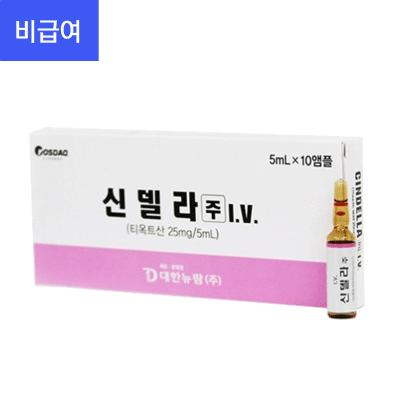
The Cinderella shot is a nickname for a nutritional injection whose main ingredient is alpha-lipoic acid.
Alpha-lipoic acid, also known as thioctic acid, is a substance involved in energy production and antioxidant reactions in the body.
It has been studied in various fields, including skin aging, oxidative stress, and nerve health.
Today, we will look at how alpha-lipoic acid works and the effects confirmed in clinical research.
1. What Is Alpha-Lipoic Acid?
Alpha-lipoic acid is a substance involved in energy metabolism in the mitochondria of the body.
Mitochondria play an important role in converting the nutrients we consume into energy that cells can use.
Alpha-lipoic acid acts as a cofactor for several enzymes in these metabolic processes.
In addition, alpha-lipoic acid and its reduced form, dihydrolipoic acid (DHLA), take part in redox reactions and are being studied in relation to reactive oxygen species and the cell's antioxidant defense system.
Its involvement in both energy metabolism and antioxidant reactions is a defining feature of alpha-lipoic acid.
2. How Does the Cinderella Shot Work as an Antioxidant?
Reactive oxygen species (ROS) are also produced during normal metabolic processes in the cell.
However, when oxidative stress becomes excessive, it can affect the functions of cell membranes, proteins, DNA, and more.
Alpha-lipoic acid is a component that has been studied for its potential to regulate this oxidative stress.
In particular, the following actions have drawn attention:
Regulation of redox reactions involving reactive oxygen species
Interaction with the cell's intrinsic antioxidant system, such as glutathione
Involvement in mitochondrial energy metabolism
Potential to regulate inflammation-related signaling
Because of these biological properties, alpha-lipoic acid is being studied in several areas, including skin aging and nerve health.
However, it is important to distinguish between the fact that antioxidant activity has been confirmed and the idea that an injection will improve skin tone or fatigue.
3. Can Alpha-Lipoic Acid Help Skin Health?
Alpha-lipoic acid has also been studied in relation to photoaging of the skin.
In 2003, the British Journal of Dermatology published a randomized, double-blind study involving 33 women.
The researchers had participants use a cream containing 5% alpha-lipoic acid on one side of the face and a control cream without alpha-lipoic acid on the other side for 12 weeks.
The study found the following reductions in skin surface roughness:
Category | Reduction in Skin Roughness |
Alpha-lipoic acid 5% cream | 50.8% |
Control cream | 40.7% |
Statistically significant additional improvement was observed on the side treated with alpha-lipoic acid.
This is an interesting result that suggests alpha-lipoic acid may influence changes related to skin aging.
However, this study evaluated a cream applied to the skin. It did not test whether intravenous alpha-lipoic acid injections have a skin-whitening effect.
Therefore, while research on skin-related potential can be referenced, it should not be concluded that receiving the Cinderella shot will necessarily brighten your skin.
4. Is There Clinical Research Showing Proven Medical Effects?
Alpha-lipoic acid is a component that has undergone relatively extensive clinical research in the field of diabetic peripheral neuropathy.
A 2004 meta-analysis published in Diabetic Medicine reviewed data from four clinical trials involving a total of 1,258 participants.
The study assessed changes in neuropathy symptoms after intravenous administration of 600 mg of alpha-lipoic acid over about three weeks.
The proportion of patients whose symptoms improved by 50% or more was 52.7% in the alpha-lipoic acid group and 36.9% in the placebo group.
Positive changes were also reported in symptoms such as pain, burning sensation, and numbness or tingling.
However, a 2024 Cochrane systematic review concluded that the effect is limited with long-term use beyond six months.
Additionally, the 600 mg dose used in this study differs from the typical approved dose of some Cinderella shot products in Korea.
In short, while there are positive clinical studies of alpha-lipoic acid in actual patients, the results need to be interpreted separately depending on the condition, dose, and method of administration.
5. Can It Be Used to Relieve Fatigue?
Alpha-lipoic acid is also drawing interest in relation to fatigue, as it is involved in the metabolic processes needed for energy production.
The approved labeling for some thioctic acid injection products in Korea states use for supplementation in cases where demand for thioctic acid increases due to strenuous physical labor.
This shows that alpha-lipoic acid is not merely a cosmetic ingredient but a substance with medical uses.
However, direct clinical evidence on how quickly and lastingly intravenous injections improve general fatigue in healthy people is limited.
Therefore, if fatigue persists, it is important to also check other causes, such as lack of sleep, nutritional status, anemia, or thyroid disease.
6. What to Check Before Getting the Cinderella Shot
Alpha-lipoic acid injections are generally used after evaluation by a healthcare provider.
The approved product information for some products lists adverse reactions such as nausea, diarrhea, rash, headache, dizziness, and palpitations.
It may also affect blood sugar, so caution is needed if you take diabetes medication.
Rarely, cases of insulin autoimmune syndrome and hypoglycemia associated with alpha-lipoic acid have also been reported.
Before use, be sure to check the approved product information for each product, as well as the dosage and any underlying medical conditions.
Final Thoughts
Alpha-lipoic acid, the main ingredient of the Cinderella shot, is involved in energy metabolism and antioxidant reactions, and it is being studied in the fields of skin and nerve health.
In research on topical alpha-lipoic acid for photoaging, improvement in skin roughness was observed, and a short-term intravenous study in patients with diabetic peripheral neuropathy also reported positive results.
However, these results were confirmed under the specific conditions of each study and should be distinguished from the effects of injections used for general whitening or fatigue relief.
It is important to understand the benefits of alpha-lipoic acid while also considering your actual purpose for use and your personal health condition.

References
Beitner H. Randomized, placebo-controlled, double blind study on the clinical efficacy of a cream containing 5% alpha-lipoic acid related to photoageing of facial skin. British Journal of Dermatology. 2003;149:841–849.
Ziegler D, et al. Treatment of symptomatic diabetic polyneuropathy with the antioxidant alpha-lipoic acid: a meta-analysis. Diabetic Medicine. 2004;21:114–121.
Baicus C, et al. Alpha-lipoic acid for diabetic peripheral neuropathy. Cochrane Database of Systematic Reviews. 2024.
Ministry of Food and Drug Safety, Pharmaceutical Information Center (PIC). Tioxen (Thioctic Acid) Product Approval Information.
※ This article is general medical information intended to introduce the actions and clinical research of alpha-lipoic acid. The doses and formulations used in the studies may differ from those of typical nutritional injections, and no specific cosmetic effects are guaranteed.
〈Cordia Clinic Reservation Information〉
Cordia Clinic operates on a 100% appointment-only basis to provide sufficient consultation and individualized care. Please make a reservation by phone, KakaoTalk, or Naver before your visit.
〈Reservations and Inquiries〉
Phone: 02-568-8575
Please contact us through your preferred method, such as KakaoTalk or Naver reservations.
〈Office Hours〉
Mon, Tue, Thu, Fri: 11:00 AM – 8:00 PM
Lunch break: 2:00 PM – 3:00 PM
Saturday: 10:00 AM – 4:00 PM
We see patients on Saturdays without a lunch break.
〈Directions〉
429 Seolleung-ro, Gangnam-gu, Seoul
6th Floor, KR Tower, Cordia Clinic
Exit 3 of Seolleung Station, the building with Burger King
Frequently Asked Questions
What is the main ingredient in the Cinderella shot?
The main ingredient in the Cinderella shot is alpha-lipoic acid. Alpha-lipoic acid, also called thioctic acid, is a substance involved in energy production and antioxidant reactions in the body.
Will I get brighter skin after getting the Cinderella shot?
It cannot be stated that skin will necessarily become brighter. The 2003 study evaluated improvement in skin roughness with a 5% alpha-lipoic acid cream. It was not a trial confirming a whitening effect from intravenous injection.
What were the results of the alpha-lipoic acid cream study?
The side treated with the 5% alpha-lipoic acid cream showed a 50.8% reduction in skin roughness, higher than the 40.7% on the control cream side. It was a randomized, double-blind study of 33 women conducted over 12 weeks, and a statistically significant additional improvement was observed on the alpha-lipoic acid side.
What should I be careful about before getting the Cinderella shot?
If you take diabetes medication, be cautious because the shot may affect blood sugar. Some product approval information lists adverse reactions such as nausea, diarrhea, rash, headache, dizziness, and palpitations. It is generally recommended to use it after evaluation by a healthcare provider.
Can the Cinderella shot help relieve fatigue?
Direct clinical evidence supporting quick and lasting improvement from intravenous injections for general fatigue in healthy people is limited. The approved labeling for some thioctic acid injection products mentions use when demand increases due to strenuous physical labor. If fatigue persists, it is important to also look into other causes, such as sleep, nutritional status, anemia, or thyroid disease.
What were the results of alpha-lipoic acid research on diabetic peripheral neuropathy?
In the meta-analysis, the proportion of patients in the intravenous alpha-lipoic acid group whose symptoms improved by 50% or more was 52.7%, compared with 36.9% in the placebo group. However, a 2024 Cochrane review assessed the effect as limited with long-term use beyond six months, and the 600 mg dose used in this study differs from the approved dose of some products in Korea.