2026-09-24
The Mechanism of MTS Microneedling | Microchannels that Aid Skin Recovery and Drug Delivery
Explore the principles of MTS microneedling, from triggering natural collagen remodeling to enhancing transdermal drug delivery for skin rejuvenation and scalp care.
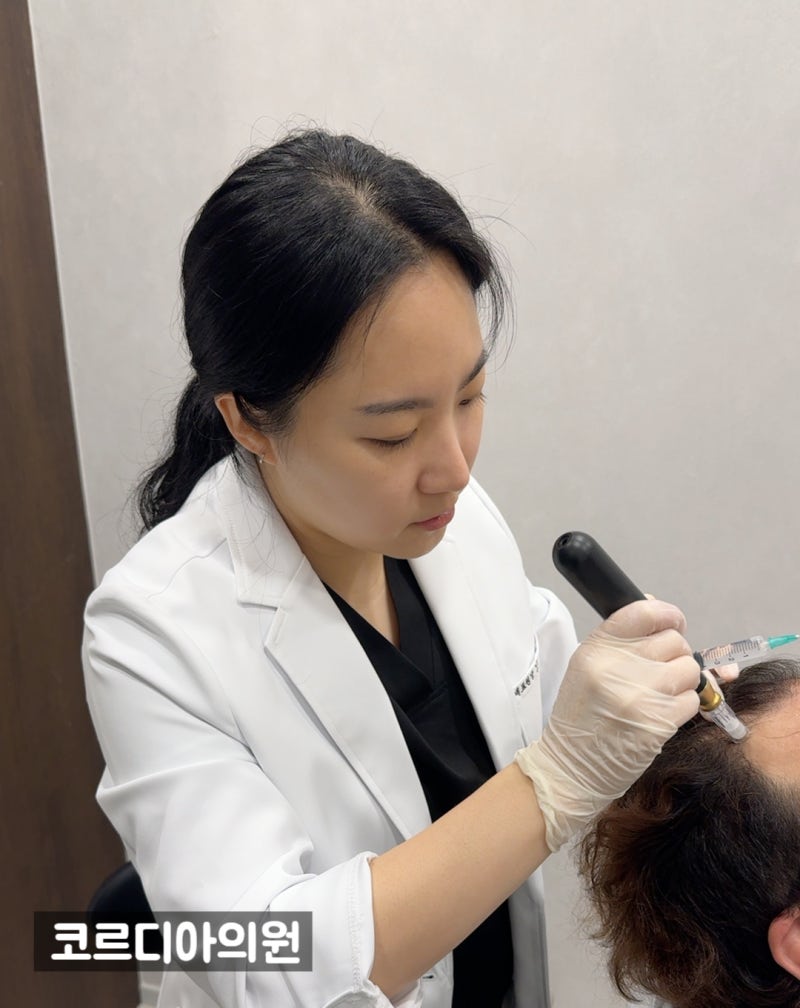
Hello.
I am Dr. Dajeong Kim, Chief Director of Cordia Clinic.
Recently, I was appointed as a Key Opinion Leader (Key Doctor) for WooriMecca.
Taking this opportunity, I would like to explain the mechanism behind MTS (Microneedle Therapy System)—which is widely utilized in skin and scalp treatments—and share what scientific research has confirmed about it.
Many people know MTS simply as "a procedure that stimulates the skin with fine needles."
However, it primarily serves two major purposes.
First, triggering the skin's natural wound-healing response through controlled micro-injuries.
Second, creating microscopic channels in the skin to assist the transdermal absorption of therapeutic agents and active ingredients.

MTS creates pathways for active ingredients to penetrate the skin
The outermost layer of our skin features a protective barrier called the stratum corneum.
While the stratum corneum prevents moisture loss and blocks harmful external substances from entering, it also significantly limits the penetration of active ingredients applied topically for therapeutic purposes. Depending on the molecular size and physical properties of an ingredient, crossing this skin barrier can be particularly challenging.
Microneedling creates temporary microchannels across this barrier, allowing topically applied compounds to be delivered into deeper skin layers more effectively.
This is commonly referred to as "transdermal drug delivery" or "assisted intra-dermal delivery."
In fact, a seminal study published in 1998 demonstrated that treating human skin with microneedles dramatically increased the permeability of a model compound, calcein. This was an early experimental study showing that microneedles can facilitate substance delivery across the skin barrier.
Subsequent studies have consistently confirmed enhanced drug penetration through channels created by microneedles. However, because experimental setups and devices vary widely across studies, absorption rate figures obtained from a specific laboratory experiment cannot be directly equated to real-world face or scalp MTS treatments.
The skin's self-repair response and active ingredient delivery serve distinct roles
Following an MTS session, two complementary biological processes take place.
Action | What Happens in the Skin |
Inducing Wound Recovery | In response to micro-injuries, signaling molecules such as growth factors are mobilized, initiating tissue repair and structural remodeling. |
Assisting Ingredient Delivery | Through the microchannels formed in the stratum corneum, the penetration of topically applied ingredients can be substantially enhanced. |
The growth factor shifts observed in the aforementioned 2022 human skin tissue study represent the skin's intrinsic healing response. This is entirely separate from applying external growth factor products onto the skin.
Even when combining scalp MTS with topical growth factors, one must distinguish between the mechanical stimulation of microneedles and the biological contribution of the applied topical solution.
Does deeper penetration always mean superior results?
Increased penetration does not automatically translate to enhanced therapeutic efficacy.
Actual clinical outcomes depend on the type of ingredient, concentration, formulation, target depth, and the specific condition being treated. Moreover, heightened penetration may also elevate the risk of irritation or unexpected adverse reactions.
Therefore, not all skincare products designed for surface topical use are suitable for pairing with MTS. It is crucial to verify whether a formulation is specifically approved for microneedling and supported by safety and clinical evidence.
When designing an MTS treatment protocol, one must evaluate both the appropriate extent of skin self-repair to trigger and which topical formulations best match the clinical objective.
Because the procedure intentionally pricks the skin with fine needles, patients often ask:
"If it creates wounds on the skin, how does it actually improve skin quality?"
"Is it true that growth factors are released as the wounds heal?"
Yes. As the micro-injuries created by microneedling heal, multiple cellular signaling molecules—including growth factors—are engaged, a phenomenon well-documented in scientific literature.
However, these biological responses do not necessarily yield identical therapeutic results for every individual. Let us look closer at the underlying science and published evidence behind MTS.
What kind of procedure is MTS?
MTS generally refers to microneedling therapy utilizing fine needles. Using a roller or automated pen equipped with miniature needles, it creates countless microscopic channels and controlled micro-injuries across the skin surface.
The core principle is prompting the skin to repair and regenerate itself in response to these micro-traumas.
Because tissue reaction varies depending on needle depth, speed, intensity, and treatment area, protocols are tailored differently for facial skin versus the scalp.
Additionally, "RF Microneedling," which delivers radiofrequency thermal energy through microneedles, differs in mechanism and risk profile from conventional mechanical MTS. This article focuses specifically on mechanical microneedling without thermal energy.

What happens inside the skin after microscopic injuries occur?
When the skin experiences controlled micro-damage, various cells immediately begin communicating via biochemical signaling to initiate healing.
To put it simply, the cascade proceeds as follows:
Micro-injuries → Activation of wound-healing signals → Cellular migration, proliferation, and extracellular matrix synthesis → Tissue remodeling
Initially, an acute response to the injury occurs, after which epithelial cells and collagen-synthesizing fibroblasts step in to reconstruct tissue integrity.
During this sequence, signaling molecules like cytokines and growth factors play key regulatory roles. You can think of growth factors as messenger proteins signaling cells to "migrate, proliferate, and reconstruct damaged tissue."
Thus, MTS can be understood as a regenerative aesthetic treatment that harnesses the body's natural wound-healing cascade.
Is there research confirming an actual increase in growth factors?
There is peer-reviewed research directly addressing this question.
A 2022 study published in 《Scientific Reports》 observed post-microneedling changes using ex vivo cultured human skin tissue.
The investigators noted that inflammatory signals and growth factor secretion shifted over time in treated skin tissue. Notably, on day 6 of culture, the secretion of Transforming Growth Factor-beta (TGF-β) was significantly higher in the microneedling group than in the untreated control group.
This provides solid cellular evidence that "growth factors are actively mobilized during the healing cascade triggered by microneedles."
However, keep in mind that this study was an ex vivo tissue experiment, not an in vivo clinical trial measuring macroscopic aesthetic improvements in living patients. Therefore, one cannot extrapolate these findings to mean: "Every MTS session produces a fixed amount of specific growth factors that automatically translates into a predetermined degree of skin or hair improvement." (Liu et al., 2022)
Furthermore, growth factors vary by subtype and localized function. An observed rise in growth factor secretion is not inherently synonymous with proven hair regrowth.
Is it also linked to collagen synthesis?
Tissue remodeling and collagen-related changes following microneedling have been demonstrated in both experimental models and small-scale clinical studies.
A 2018 study using a 3D full-thickness human skin model showed that microneedling upregulated the gene expression related to collagen synthesis and structural tissue repair. This study provides fundamental biological insights into how post-treatment dermal remodeling is initiated. (Schmitt et al., 2018)
In a 2015 clinical study of 10 patients with acne scars, repeated microneedling treatments led to noticeable histological increases in Type I, III, and VII collagen as well as newly synthesized collagen, alongside visible improvements in scar depth and texture.
Nonetheless, due to the small sample size and lack of a control group, there are limitations to generalizing these outcomes to every individual. (El-Domyati et al., 2015)
These remodeling processes require time. It is important to distinguish the temporary plumpness caused by immediate post-treatment edema from genuine, long-term tissue remodeling.
How can scalp MTS help with hair loss?
On the scalp, microneedling has gained attention as an adjunctive alopecia therapy, based on micro-injury-induced healing pathways and perifollicular signaling stimulation.
A notable 2013 randomized trial involving 100 men with androgenetic alopecia compared topical minoxidil monotherapy against a combination of microneedling and topical minoxidil.
At 12 weeks, the combination group demonstrated significantly superior hair count gains and photographic assessment scores. This highlights the potential of microneedling as an effective booster treatment for androgenetic alopecia. (Dhurat et al., 2013)
However, this trial evaluated microneedling in conjunction with minoxidil; it did not substantiate microneedling monotherapy or the added efficacy of topical growth factor serums on their own.
Furthermore, results from male-pattern hair loss trials cannot be directly applied to alopecia areata or telogen effluvium. In telogen effluvium driven by acute weight loss or nutritional deficiencies, identifying and correcting the root cause must take precedence.
Are endogenous growth factors the same as topical "Growth Factor MTS"?
It is helpful to differentiate between the two concepts.
Classification | Clinical Definition |
Endogenous Healing Cascade Post-MTS | The natural physiological process where skin tissue releases endogenous growth factors and alters gene expression in response to micro-trauma. |
MTS Combined with Topical Growth Factor Formulations | A clinical method where exogenous, laboratory-formulated growth factor ampoules are applied to the skin or scalp alongside microneedling. |
Just because there is scientific backing for MTS's inherent regenerative response does not mean that every commercially marketed growth factor serum yields proven clinical results.
Exogenous products must be independently evaluated for ingredient purity, concentration, molecular stability, safety upon transdermal delivery, and empirical clinical backing.
Because skin with open microchannels absorbs substances much more readily than normal skin, applying standard over-the-counter cosmetics during or immediately after MTS should be strictly avoided.
Does needle depth and higher frequency guarantee better results?
Stronger stimulation does not equate to proportionally better therapeutic outcomes.
Treatments must respect regional skin thickness, underlying anatomical indications, and adequate tissue recovery intervals. Excessive mechanical aggression risks triggering persistent erythema, post-inflammatory hyperpigmentation (PIH), or scarring.
During treatment, patients may experience mild stinging or discomfort, followed by temporary redness, swelling, pinpoint bleeding, or transient dryness. Although rare, secondary infection and pigmentary alterations can occur, underscoring the necessity of strict needle hygiene and proper post-procedure care.
If you have active dermatological infections, acute inflammatory lesions, or underlying disorders that compromise wound healing, a thorough clinical evaluation must precede any treatment.
Summary of Key Scientific Studies
Study | Study Model & Main Findings | Clinical Takeaway |
Liu et al., 2022 · Scientific Reports | Demonstrated temporal shifts in growth factors and inflammatory signals in ex vivo human skin. | Confirms the physiological mechanism of endogenous growth factor secretion. |
Schmitt et al., 2018 · PLOS ONE | Identified upregulation of genes related to tissue repair and collagen synthesis in a 3D skin model. | Gene-level expression changes do not directly translate to identical clinical magnitudes in vivo. |
El-Domyati et al., 2015 · J Clin Aesthet Dermatol | Reported increased collagen synthesis and clinical scar improvement in 10 acne scar patients. | Valuable preliminary evidence, though limited by a small sample size and lack of controls. |
Dhurat et al., 2013 · Int J Trichology | Showed superior hair count gains combining microneedling with minoxidil vs. minoxidil alone in androgenetic alopecia. | Reflects combination efficacy; cannot be broadly applied to non-androgenetic hair loss types. |
When considering MTS, it is essential to determine the specific aesthetic or clinical concern, review whether evidence supports the chosen protocol, and assess whether your skin or scalp is in suitable condition for microneedling.
If you are exploring skin or scalp MTS near Seolleung, Yeoksam, or Daechi, look beyond just the treatment name and consult thoroughly on customized application depth, realistic expectations, and proper aftercare.
At Cordia Clinic, we strictly utilize single-use sterile tips for every MTS procedure to maintain uncompromising hygiene and prevent infection.
Depth and needle intensity are meticulously customized to each patient's individual skin condition.
〈 Cordia Clinic Booking Information 〉
To provide thorough consultations and personalized care for every patient, Cordia Clinic operates entirely on an advance reservation basis.
Please schedule your appointment in advance so we can assist you at your preferred time.
〈 Clinic Hours 〉
Monday · Tuesday · Thursday · Friday
11:00 AM – 8:00 PM
(Lunch Break: 2:00 PM – 3:00 PM)
Saturday
10:00 AM – 4:00 PM
(Continuous care without a lunch break)
〈 Location 〉
6th Floor, KR Tower (Burger King Building), 429 Seolleung-ro, Gangnam-gu, Seoul
Cordia Clinic (Seolleung Station, Exit 3)
〈 Reservations & Inquiries 〉
Tel: 02-568-8575
Feel free to reach out via phone, KakaoTalk, or Naver Reservation.
Frequently Asked Questions
Why does MTS improve skin quality?
MTS improves the skin by stimulating the body's natural wound-healing cascade. By creating controlled micro-injuries, it triggers biological repair signaling, activating fibroblasts to synthesize new collagen and remodel the skin's extracellular matrix.
Does going deeper and more aggressively yield better results with MTS?
No. Increasing needle depth and treatment frequency does not guarantee better outcomes. Excessive mechanical aggression can increase the risk of adverse effects like persistent redness, swelling, post-inflammatory hyperpigmentation (PIH), and scarring. Needle depth must always be customized to regional skin thickness and clinical goals.
Can I apply ordinary daily skincare products during an MTS treatment?
No, this is strongly discouraged. Because MTS temporarily breaches the stratum corneum, penetration increases exponentially, which can cause intense irritation or allergic reactions from standard cosmetic preservatives and fragrances. Only sterile formulations clinically certified for microneedling should be used.
Can scalp MTS help improve hair loss?
Yes, it can serve as an effective adjunctive treatment. Clinical trials have demonstrated that combining microneedling with topical minoxidil leads to significantly greater hair regrowth than minoxidil alone in androgenetic alopecia. However, suitability can vary for other hair loss conditions such as telogen effluvium or alopecia areata.
Does ex vivo growth factor secretion guarantee clinical hair and skin rejuvenation?
Not necessarily. While laboratory studies showing increased TGF-β secretion confirm the biological mechanism of post-injury healing, laboratory models cannot be directly equated to in vivo clinical results. Biological responses vary across individuals, and growth factor activity is highly context-dependent.